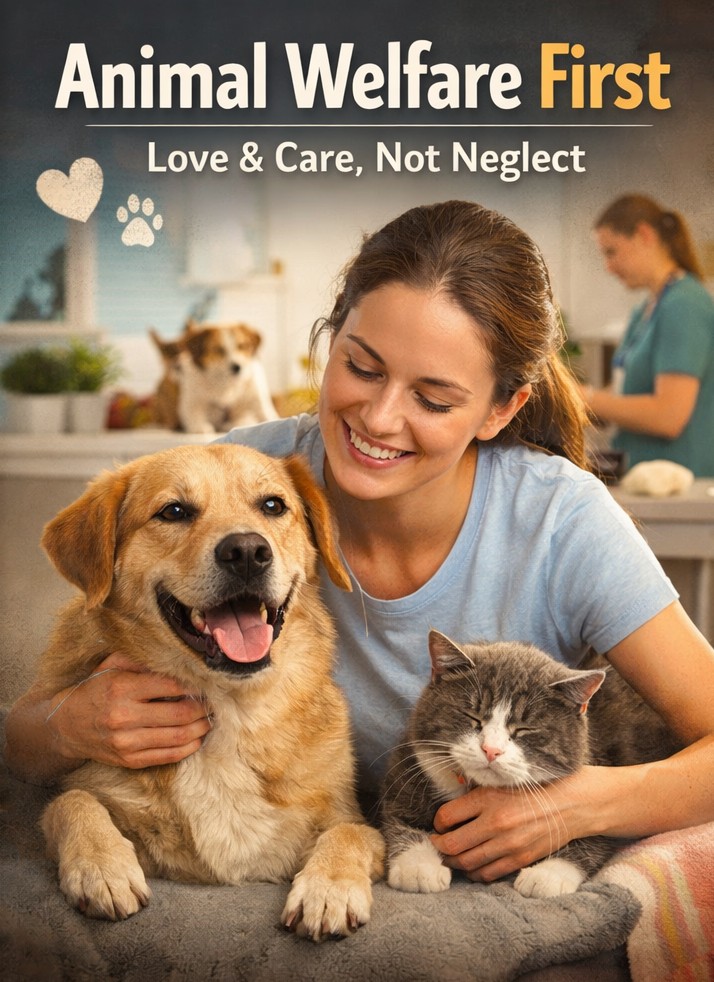
We are privileged to spend our days surrounded by dogs and cats. We get to know their unique personalities—the timid Shih Tzu who warms up after a treat, the boisterous Golden Retriever who thinks the drying station is a game, and the regal Persian cat who tolerates us only because we give a good chin scratch.
Because we see animals so regularly, we also notice the subtle signs of their home life. We see the joy of a well-loved pet, but we also recognize the subtle flags of neglect. This is why we feel it’s important to talk about a serious issue that affects thousands of animals every year: Animal Hoarding.
As a business built on love and care for animals, we stand firmly against hoarding. We want to use this space not to judge, but to educate our community on what hoarding looks like, why it’s harmful, and how we can all work together to prioritize animal welfare.
What is Animal Hoarding?
Animal hoarding is more than just having several pets. It is a complex issue recognized by mental health professionals and animal welfare organizations. It is defined by three primary characteristics:
- Failure to provide minimal standards of care: This includes malnutrition, severe overcrowding, untreated medical conditions, and unsanitary living conditions.
- Obsessive attempts to accumulate more animals: The person has a compulsive need to acquire and maintain animals, despite their inability to care for them.
- Denial or minimization of the problem: The hoarder often believes they are “rescuing” the animals, even when faced with evidence of suffering and death.
While a responsible multi-pet household has clean spaces, financial stability to afford vet care, and enough love to go around, a hoarding situation is characterized by chaos, suffering, and a loss of control.
The “Cruelty of Kindness”
One of the most tragic aspects of animal hoarding is that it often stems from a distorted sense of love. The individual may genuinely believe they are helping animals that no one else wants. However, the result is the opposite of welfare.
In hoarding situations, animals live in a state of constant stress. They compete for scarce food and water. They are forced to live in filthy environments covered in feces and urine, leading to severe skin conditions, upper respiratory infections, and parasite infestations. Veterinary care is almost always absent.
We see echoes of this in our grooming salon. Occasionally, a matted coat isn’t just the result of a busy owner forgetting to brush. Severe matting can be a sign of neglect—where the animal is in physical pain, unable to move properly, and suffering from urine scald or hidden sores. While not always indicative of full-blown hoarding, it is a reminder that our pets rely entirely on us to advocate for their comfort.
How Grooming Plays a Role in Welfare
As groomers, we are often the first line of defense in animal welfare. We have hands-on access to animals in a way that veterinarians might not (since visits are less frequent) and that rescue organizations might not.
- Early Detection: We notice the subtle weight loss, the dull coat that suggests poor nutrition, the smell of an unclean environment, or the behavioral signs of a dog that has never known gentle touch.
- Education: We have conversations with pet parents about coat maintenance, nail health, and ear cleaning. These conversations are opportunities to gently educate about the physical needs of the animal.
- Advocacy: While we respect client confidentiality, we also have a moral obligation to the animal. In extreme cases, we know when it is necessary to report concerns to local authorities or animal control. It is never an easy call to make, but it is one we make for the animal.
What Can You Do? Spotting the Signs
Animal hoarding often flies under the radar because the hoarder may isolate themselves and their animals. As a community, we can help by being observant without being intrusive. Animal hoarding signs to watch for in your neighborhood or social circle might include:
- A strong, persistent odor of ammonia (from urine) coming from a residence.
- Visible animals in poor health (extremely thin, severely matted, limping) that are never treated.
- Animals appearing frightened, aggressive, or unsocialized due to lack of human interaction.
- Seeing numerous animals looking out of windows or trying to escape.
Saying Yes to Responsible Care
Saying “no” to animal hoarding means saying “yes” to responsible pet ownership. It means acknowledging that quality of life is more important than quantity of animals.
If you love animals, the best way to help them is to ensure the ones in your care have the best life possible. That means:
- Regular veterinary visits: To manage pain, prevent disease, and control breeding.
- Regular grooming: To maintain hygiene and check for hidden skin issues or lumps.
- Proper nutrition and space: Giving them room to move, play, and rest comfortably.
- Knowing your limits: Being honest about how many animals you can financially and emotionally support.
Our Commitment to You and Your Pet
At [Your Grooming Salon Name], we are here to be your partner in animal welfare. Whether your pet leaves our salon with a fancy bow or a simple clean-up, our goal is the same: to ensure they are healthy, comfortable, and happy.
If you are struggling to care for your pet, please reach out. There is no shame in asking for help. We can connect you with resources, low-cost veterinary clinics, or rescue organizations that can provide support. And if you suspect an animal is in danger, please speak up. It is better to be wrong and have welfare services check on a situation than to remain silent while an animal suffers.
Together, we can make our community a place where every pet is treated with the dignity and love they deserve.
Thank you for trusting us with your furry family members.
